

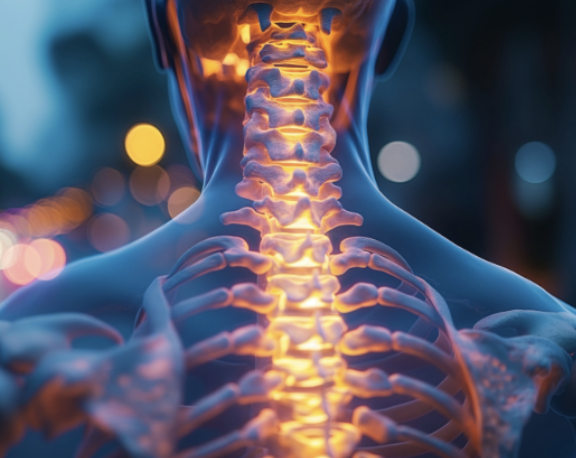
Since stem cells can differentiate into specialised cells while also dividing into more stem cells, they have been a focus of medical research and regenerative therapies for a range of diseases. Numerous experimental studies and clinical trials have been conducted worldwide on the use of stem cell therapies for treating spinal cord injuries, as they offer multiple recovery mechanisms for ameliorating spinal cord injury-related damage, especially when various medications have failed to sufficiently attenuate the damage.
Though a definitive treatment for all spinal cord injuries remains elusive, clinical trials with stem cell therapies have shown promising results for tissue regeneration and functional improvement in some patients.
Spinal cord injury
There are more than a million patients suffering from spinal cord injuries worldwide. Many of these injuries result in paralysis, with the patients requiring life-long care, and may causea huge socio-economic burden on both the patient and their caregivers. Since no single pharmacological therapy has emerged that could dramatically improve the outcome of such injuries, stem cell therapy has been proposed as a promising candidate.
Spinal cord injuries could occur due to primary damage caused by compression and contusion of the spinal cord, resulting in neuronal and glial cell membrane damage and disruption of the microvasculature at the time of injury, or due to the secondary damage caused by the cascading effect of inflammation, cytotoxic free radical, and excitotoxic substance generation and excessive gliosis. The treatment is targeted towards slowing or halting the secondary damage cascade, which could be acute, sub-acute, or chronic.
Use of stem cell therapy to treat spinal cord injury
Extensive efforts have been applied to elucidate how stem cell transplantation works in treating spinal cord injuries and the findings have been described, published, and reviewed. It was found that the transplanted cells could differentiate into neuronal or vascular cells, compensating for lost functions and exerting a variety of neuro-protective and vascular-protective effects at different phases. These cells are capable of reorganising the neuronal network and show capacity for reducing local and systemic inflammation. They support axonal regeneration and synaptic sprouting and help in reducing glial scars. They show functional multipotency demonstrated in the secretion of various trophic factors that help ameliorate neuronal damage while regenerating new neuronal circuits. The transplanted cells in the spine activate the regeneration of host neuronal stem cells.
Clinical trials
The majority of the early-stage (phase 1 and 2) clinical trials were performed for severely injured, chronic-stage patients using mesenchymal stem cells from the bone marrow. The autologous cells were used instead of the allogenic cells due to safety issues. The types of stem cells used also impacted the outcome and the results were mixed with some patients showing no recovery, whereas others reported high recovery rates. The trials using mesenchymal stem cells showed some motor improvement in chronic patients as they were found to modulate inflammation and promote repair, though they may not integrate with the nervous system directly. The trials involving embryonic stem cell-derived cells on the other hand, showed improvement in upper limb motor function in at least one-third of patients, and no serious safety issues were linked to the stem cells. However, the induced pluripotent stem cells, still in the preclinical stage, show concerns with tumour formation, immune response, and ethical issues.
The administration routes differed in different trials, however. Intrathecal and intraspinal administration were preferred to intravenous or intra-arterial administration’s on mostly adult patients. The results obtained from the clinical trials are promising but still preliminary. There have been talks about entering phase III clinical trials; however, no results have been published yet.
Challenges
The scientific complexity involved in regenerating complex spinal networks is extremely challenging. Moreover, the results cannot be generalised as they differ with the use of different stem cell types, transplantation methods, extent of injury and the timing of treatment. The long-term effects of stem cell therapy are being studied, and their impact on neurological recovery and quality of life remains to be seen. Other factors, such as small sample size in early phase clinical trials and the need for long-term follow-up for neurological side effects and tumor risk, need to be taken into consideration, along with ethical and regulatory issues, especially with human embryonic stem cells and induced pluripotent stem cells.
 AUSTIN LAM