

BY WANHENG XU
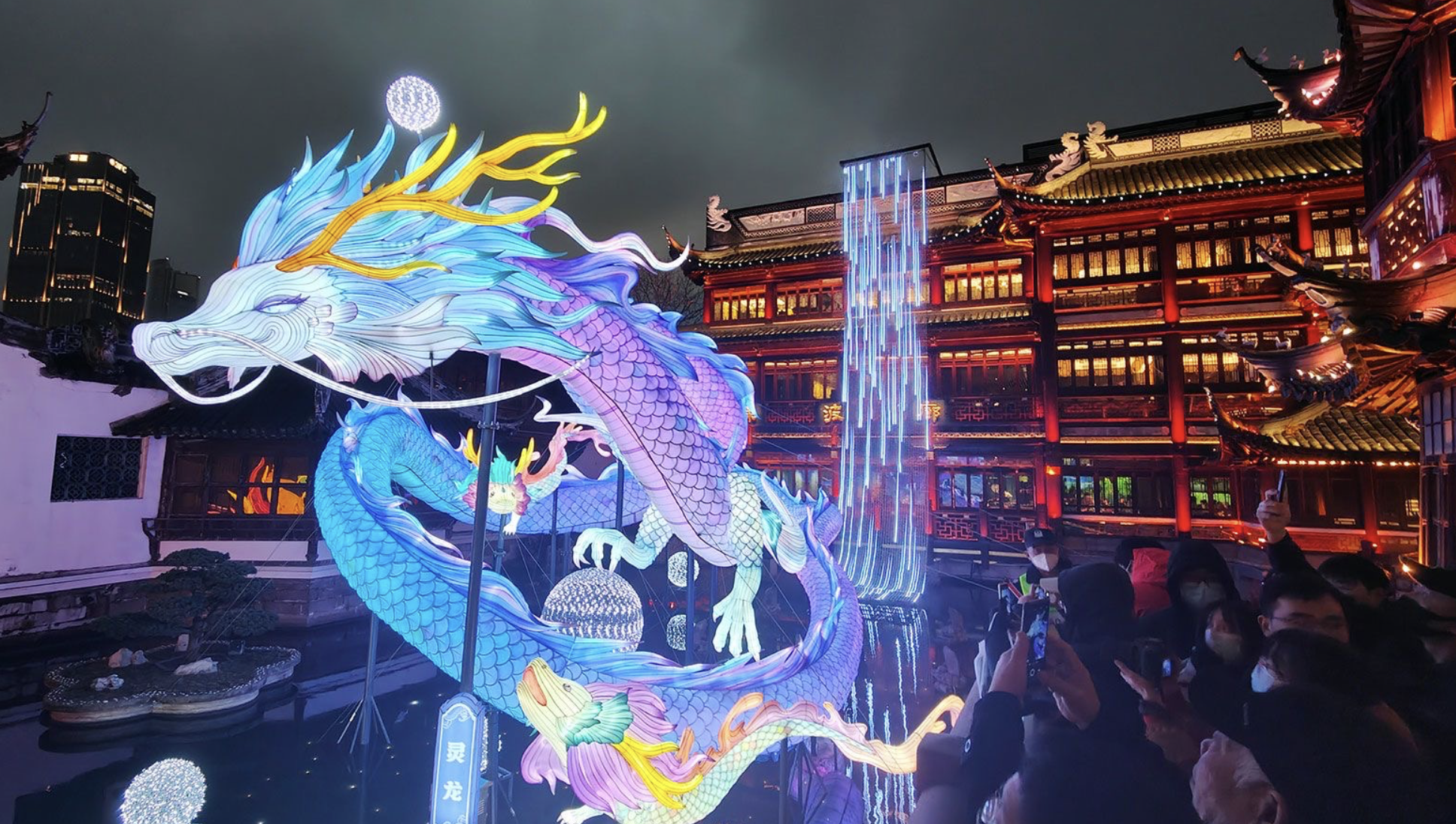
Since around 700BC, more than a billion Chinese and sinophone communities have dropped their work and gathered on a great migration back to their hometowns with one collective thought in mind: Chinese New Year. The long-standing national holiday in China during this period allows one to bond with family, consume delectable food, manifest good fortune, and of course, to receive money. This richly traditional celebration is nothing short of spectacular: the lucky colours red and gold adorn every household, street and building, pleasant aromas of steamed fish and dumplings fill the air, and fireworks dazzle and flash throughout the night. However, as the influence of CNY spreads like wildfire across the oceans and continents towards the West, many companies and TNCs have taken advantage of this festive tradition and used it for commercial purposes. ‘New Year Flash Sale’ popups and ‘CNY Promotion’ adverts line every single website, and billboards with the new ‘Year of the Dragon’ design of clothes, shoes, or jewellery show up all across big cities. From a traditional celebration in the east to a lucrative commercial opportunity for the biggest western companies, Chinese New Year’s growth in importance marks the first step for supressing Sinophobia and encouraging acceptance.
The theme of giving and receiving money in this holiday remains one of the most prominent events in these celebrations, usually in the form of red envelopes called ‘hong bao’ or ‘lai see’. These envelopes are often decorated and adorned with intricate designs and patterns, and represent fortune and good luck. The act of receiving a red envelope is not just about the money inside; it symbolizes blessings, best wishes, and a sharing of wealth within a tight community. However, the red packet has recently undergone a significant change: becoming digitalized and commercialized. With the rise of digital payment platforms, the exchange of the red packet has moved from physical to virtual. This shift has not only made the process more convenient but has also opened up new opportunities for businesses to capitalize on it.
Nowadays, in the west, companies such as Adidas, Nike, lululemon, Sony, Apple, and many others are jumping on the bandwagon and offering promotions and sales based on the theme of the Chinese New Year ideology of giving. Surprisingly, this incentive is ridiculously effective, both commercially and culturally. While some may argue that this monetisation detracts from the traditional authenticity of the celebration, it does wonders for diversity and inclusion by spreading awareness and appreciation for Chinese culture and traditions on a global scale.
The commercialisation of Chinese New Year also aids in inclusivity because it associates positive ideas such as gifts and promotions with tradition, similar to how Christmas is associated with generosity, joyousness, and happiness all around the world. Incorporating aspects of Chinese culture into marketing, companies send a message of acceptance to their diverse customer bases. This not only fosters compassion among consumers but also helps to combat stereotypes against East Asian people and culture.
As someone who comes from a Chinese background, I believe that deviating from the norms and traditions in order to accommodate for a diverse society is something to be embraced. While the commercialisation of CNY may seem like an abrupt departure from tradition, it ultimately serves to celebrate and promote the rich cultural heritage of the Chinese people. From dumplings to dollars, the evolution of this ancient tradition aids in the struggle for equality and global diversity.
TEST