

BY JAMES BREAR
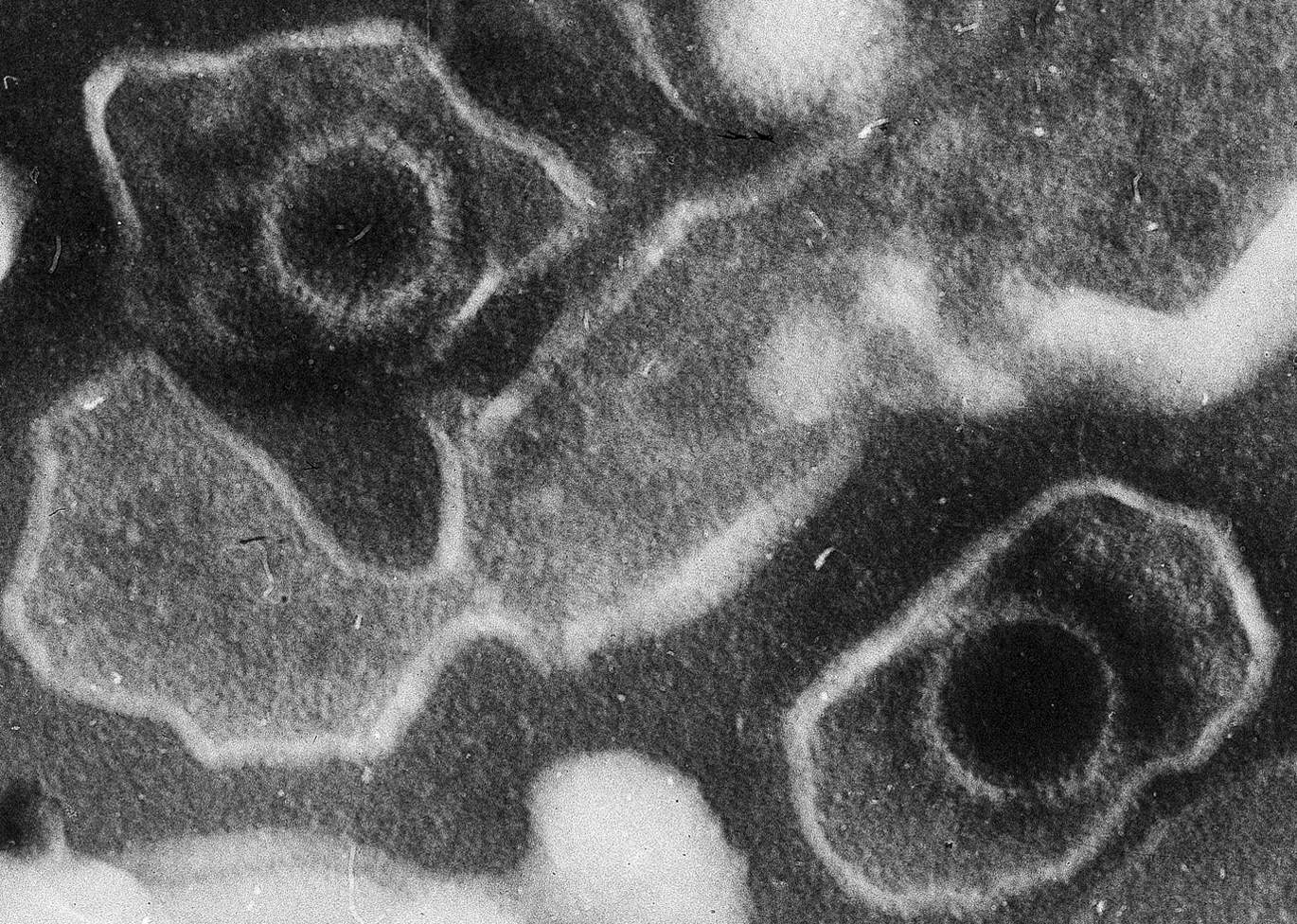
The Epstein Barr Virus (EBV) is one of the most common viruses for humans. Usually, the virus is nothing to worry about, however on some occasions, it can be life changing. EBV is infamous for causing mononucleosis, most commonly characterised by fever and swollen lymph glands, as well as cancer. This article will provide an overview of the EBV, along with the diseases that it causes and will discuss its methods of transmission and treatment.
First of all, what is the EBV? EBV is a herpesvirus, known as human herpesvirus 4. It is also an oncogenic virus – it can cause cancer – and has been linked to numerous other diseases ranging from multiple sclerosis to Type 1 Diabetes (Robinson, 2022). It is also one of the most common diseases in the world, with an estimated 95% of adults and 50% of children in the US receiving the disease at some point in their lifetimes (ClevelandClinic). Despite this, in most cases it does not affect people, and even when it does cause symptoms, they tend to be simply mononucleosis, which is not life threatening – infectious mononucleosis (also known as glandular fever) tends to involve swollen lymph nodes in the neck, along with a fever, a sore throat and rashes on the skin (Cleveland Clinic).
Only in the most severe cases is EBV truly life threatening, and this is where Chronic active Epstein Barr virus occurs. It only makes an appearance if the disease is not treated immediately and the virus continues to be active, with the multiple possibilities of anaemia, neuropathy or liver failure leading to death. However, Chronic Active EBV is rare, with the main cause of death by EBV being from the diseases which it causes (160,000 deaths) (Alotaibi, 2022).
Epstein Barr Virus is, as previously mentioned, a herpesvirus. This means that it is transmitted through person-to-person contact. EBV is transmitted in particular through contact with saliva, such as through kissing or sharing objects (ClevelandClinic). Once transmitted, EBV attacks both B lymphocytes and epithelial cells. For B cells, the virus causes the cell to produce antibodies for non-viral substances, therefore allowing the virus to survive in the body as it will not be targeted by any antibodies (Tarakanova MCW).
When the body or immune system experiences changes, this can cause the virus to become more active, resulting in the symptoms listed previously. EBV therefore lies dormant in its hosts body for the rest of their life once the host is infected – it is latent until it is reactivated. It is difficult to diagnose EBV as the symptoms are quite common with other diseases – the EBV antibody test must be used where a sample of blood is taken to test for EBV antibodies (ClevelandClinic). Currently, there is no cure for EBV, although there are trials for a vaccine taking place, with one trial using the mRNA vaccine technology used in the COVID-19 vaccine (MST). Treatment for the disease tends to involve staying hydrated, getting lots of rest and taking ‘over the counter medication’ for fevers. Physical activity should be avoided as, if the virus has caused the spleen to become swollen, it could cause a rupture (ClevelandClinic).
EBV has been linked to and can cause many other diseases, often autoimmune ones. EBV causes these by producing a protein known as EBNA2, which is known as a transcription factor – the virus synthesises these and, during transcription, sends them along the exposed nucleotides to bind to multiple sections along genes that are associated with autoimmune disorders (MedCentral Schneider, 2018).
One autoimmune disease associated with EBV is Type 1 diabetes. Type 1 Diabetes involves the pancreas not being able to produce insulin, a hormone regulating blood glucose levels in a negative feedback cycle, due to what is most likely a genetic disorder resulting in insulin producing pancreas cells being attacked by the immune system. The destruction of these cells could be attributed to lymphocytes invaded by EBV (MedCentral Schneider, 2018).
Another autoimmune disease possibly caused by EBV is coeliac disease, which results in abdominal pain and indigestion. It is caused by gliadin – an immune system attacking protein that is a component of gluten – with the antibodies released by the body causing the intestine to become swollen and inflamed. This also flattens the villi, causing indigestion. (NHS)
In addition to this, another autoimmune disease linked to EBV is Graves disease. Graves disease occurs for 80% of people with an overactive thyroid condition, and is caused by antibodies attacking the thyroid gland, resulting in abnormal and excess production of thyroxine (which controls the body’s metabolic activities). This can cause hyperactivity, an inability to sleep and mood swings (NHS). EBV also has been linked to the opposite of Grave’s disease – Hashimoto’s disease. In Hashimoto’s, the thyroid gland is under-active, and not enough thyroxine is produced, resulting in lethargy, muscle pain and a depressive mood (ClevelandClinic). It is caused by the same mechanism that causes Grave’s disease, as well as the building up of lymphocytes in the thyroid causing inflammation.
Finally, multiple sclerosis is yet another disease that has an unmistakeable link with EBV. It is a condition caused by the immune system attacking the brain and spinal cord resulting in severe damage (NHS). EBV causes this as it has EBNA1 antigens, which is very similar to a protein made by the brain and spinal cord – the glial cell adhesion molecule. This results in the immune system releasing antibodies that bind to both of these proteins, thus EBV primes the immune system to attack the brain and spinal cord in multiple sclerosis (Leggett, 2022).
To summarise, the Epstein Barr Virus is a common, yet unpredictable disease with links to numerous other conditions. Once caught, it remains in your immune system for life. If reactivated, by itself it causes mononucleosis, yet it can cause multiple sclerosis, Grave’s disease, coeliac disease and Type 1 diabetes. It is increasing with the world’s population, yet no cures have been made for treatment.
Bibliography:
https://en.wikipedia.org/wiki/Epstein%E2%80%93Barr_virus – Wikipedia
https://my.clevelandclinic.org/health/diseases/23469-epstein-barr-virus#overview – Cleveland Clinic
 Articles